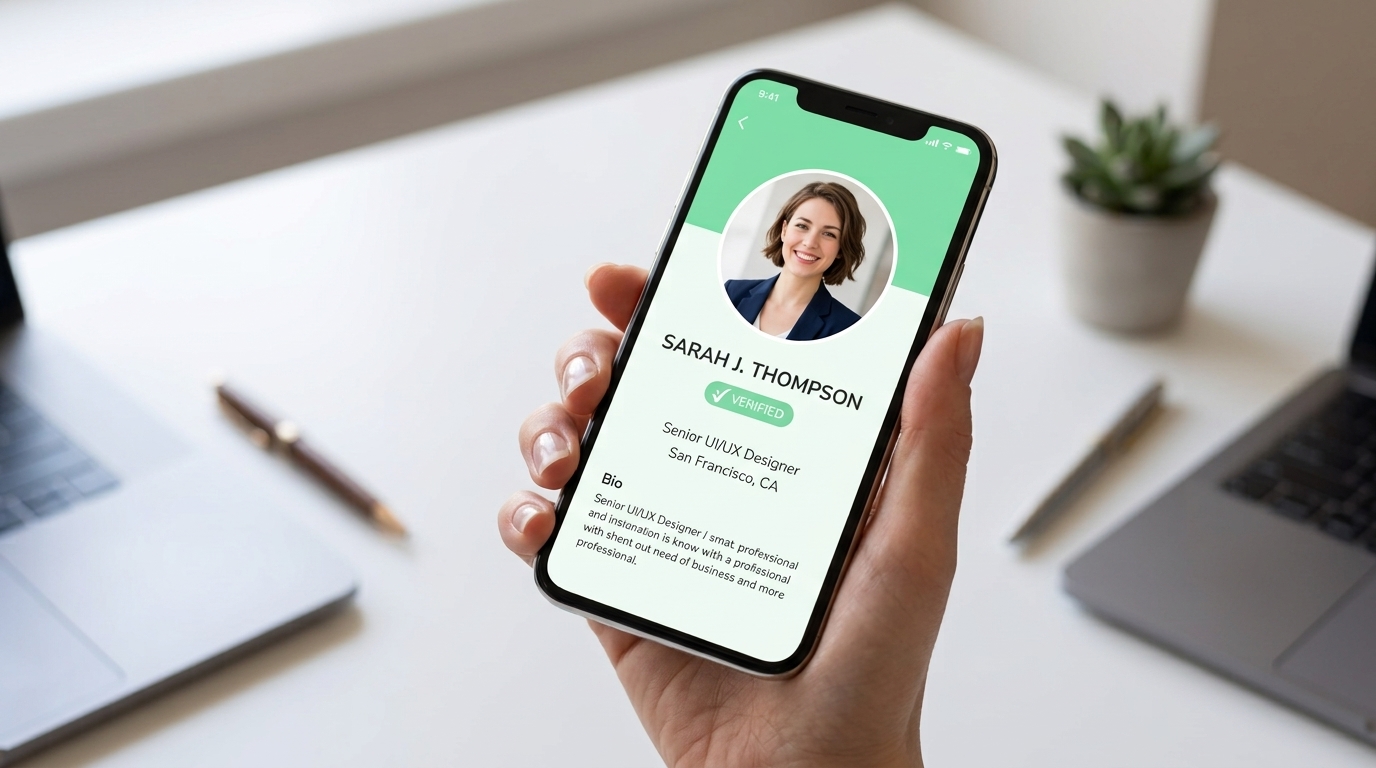
A CV is something you send. A profile is something employers find. That difference matters more than most candidates realise, because a large share of hiring now begins with a recruiter searching a database rather than reading applications. If your profile is incomplete or written without the words recruiters search for, you are invisible to that entire process no matter how good you are.
The encouraging part is that the bar is low. Most profiles are abandoned halfway through. An hour of focused work puts you ahead of the majority of your competition.
Completeness is the first ranking factor
Nearly every job platform ranks complete profiles above incomplete ones in recruiter search results. A profile with a photo, a headline, a summary, full work history, skills and education will consistently appear above an equally qualified candidate who filled in three fields.
So before refining anything, finish everything. Every section, every date, every field. If a section does not apply to you, put something honest in it rather than leaving it blank. This single step often has more impact than every other improvement combined.
Write a headline that does work
Your headline is the line that appears next to your name in search results, and it is the main thing determining whether anyone clicks. Most people leave it as their current job title, which wastes it.
A useful headline contains your role, your specialism, and something concrete. Compare:
- Weak: Accountant at ABC Company
- Better: Accountant | Receivables and Monthly Closing | 4 Years in Retail Finance
The second version contains three searchable terms and tells a recruiter within one second whether to open the profile. If you are currently looking, say so plainly: "Open to opportunities" is worth including because many recruiters filter on exactly that.
The summary: four short paragraphs
Write in the first person and keep it under two hundred words. Long summaries are skimmed to the first line and abandoned.
- What you do and how long you have done it, in one clear sentence.
- Your strongest areas, named specifically. Tools, systems, processes, sectors.
- One piece of evidence. A number, a result, a project you delivered.
- What you are looking for. Type of role, location, availability.
Avoid the phrases that appear on millions of profiles: dynamic, results driven, passionate, team player, thinks outside the box. They carry no information and they do not appear in recruiter searches. Replace each one with a concrete detail. "Managed a portfolio of 300 client accounts" says more than "results driven professional" ever will.
Keywords decide whether you are found
Recruiters search using the terms in the job description they are trying to fill. Their search does not interpret, it matches. If they search for a system by name and your profile describes it in your own words, you do not appear.
To find your keywords, open five job adverts for the role you want and note the terms that appear in all five: tools, certifications, methods, job titles, industry terms. Those repeated words are your target list. Work them naturally into your headline, summary, experience bullets and skills section.
Naturally is the important word. Pasting a block of unrelated terms at the bottom of your profile is obvious to any human who opens it and undermines everything above it.
Experience: results, not job descriptions
Treat each role the way you would on a strong CV. Job title, company, location, month and year dates, then three to five bullets that describe outcomes rather than duties.
One difference is worth noting: a profile is read by more people than your CV, including future colleagues and clients, so it can carry slightly more context about the company and your scope. Keep the achievements measurable, but a sentence explaining what the business actually does is often helpful.
Make sure titles and dates match your CV exactly. Inconsistency between the two is a credibility problem, and it is checked more often than candidates expect.
The photo
Profiles with a photo are opened significantly more often. It does not need to be a studio portrait. Face clearly visible, plain uncluttered background, natural light, dressed as you would for an interview in your industry, a pleasant neutral expression. A phone camera against a plain wall in daylight produces a perfectly good result.
Avoid group photographs, sunglasses, heavy filters and images cropped out of a social occasion. In some regions and industries a photo is not customary, in which case follow local norms.
Skills, certifications and languages
List skills specifically rather than broadly. "Financial reporting" and "Excel pivot tables and lookups" are searchable; "computer skills" is not. Order them so the most relevant to your target role appear first, because most viewers only see the top few.
Add certifications with their issuing body and date. State language levels honestly and usefully, since "conversational" and "professional working proficiency" carry real meaning while "good" does not.
Keep it alive
A profile is not a document you complete once. Three habits keep it working:
- Update within a week of any change in role, responsibility or certification, while the details are still fresh.
- Review it quarterly and add anything you delivered in the last three months. Keep a running note through the year so this takes ten minutes rather than an afternoon of trying to remember.
- Check your privacy and visibility settings so that your profile is actually discoverable by employers when you are looking, and adjusted when you are not.
Clean up what else is public
Employers search for names. Whatever is publicly visible under yours forms part of the impression, whether or not you intended it as professional. Search your own name and see what a stranger would find. Adjust privacy settings on personal accounts, remove or hide anything you would not want discussed in an interview, and make sure the professional result is the one that ranks first.
This is not about presenting a false version of yourself. It is about making sure the version an employer encounters first is the one you actually built on purpose.
Where the value is
Applications are active work; you send them and they are done. A profile is passive infrastructure that keeps working after you close the laptop. Finish it properly once, keep it accurate, and it will occasionally produce the single most valuable message in a job search: one from an employer who found you first.